Quick answer
Stay calm and thank the neighbor, ask when the barking happens, then record your dog for a few days to see when and why it barks. Fix the cause: more exercise before you leave, block the window or fence views that trigger it, add background sound, and give your dog a consistent cue to stop on the first bark. Follow up with the neighbor after a week or two. For everyday alert and territorial barking while you're out, a smart collar that reacts only to your own dog's bark, like the NooBark smart collar, keeps that cue consistent all day.
Most dog owners are surprised the first time a neighbor complains. Your dog is quiet when you're around, greets you happily at the door and sleeps half the evening. But dogs often behave very differently once the house is empty: every delivery truck, passing dog and hallway footstep becomes something to report. The good news is that this kind of barking usually has a clear pattern, and once you know the pattern, it's very fixable.
Why your dog barks when you're not there
- Alert and territorial barking. Mail carriers, delivery drivers, people in the hallway and dogs walking past the window are the most common triggers by far.
- Boredom. A dog with hours of nothing to do and energy to burn will find reasons to bark.
- Habit. Barking at the mail carrier "works" every day (the mail carrier always leaves), so the habit gets stronger.
- Sound carrying. Apartments, townhouses and houses close together carry barking much further than owners realize.
- Distress. Some dogs bark because being alone upsets them. This looks different and needs a different approach (see below).
Not sure which one fits? Our guide on why dogs bark so much explains the main types of barking.
What to do, step by step
- Listen first, don't argueThank them for telling you, and ask when it happens (mornings, all day, at night?) and for how long. Give them your number so they can reach you directly. A neighbor who feels heard is far less likely to escalate.
- Record your dog for a few daysA pet camera, an old phone or a simple audio recorder will show you exactly when your dog barks, for how long and what sets it off. This is the most useful step of all.
- Check for signs of distressPacing, howling, drooling, scratching at doors or chewing near exits point to separation distress, not a habit. In that case, talk to your veterinarian or a qualified trainer first.
- Burn energy before you leaveA brisk walk, a sniffing session or a game of fetch, followed by a food puzzle or chew as you go out the door, makes a big difference to daytime barking.
- Block the triggersClose the blinds or add frosted window film where your dog watches the street, keep your dog out of the room by the front door and add a privacy screen along the fence line in the yard.
- Add background soundA radio, TV or white-noise machine softens hallway footsteps and street noise that set off alert barking.
- Give a consistent "stop" cueDogs learn fastest when the first bark always gets the same calm response, then a reward for quiet. When you're home, you can do this yourself; when you're out, a smart collar can deliver it for you.

Match the fix to the barking
| What the recording shows | Likely cause | Best first fix |
|---|---|---|
| Barks at deliveries, footsteps, passing dogs | Alert / territorial | Block views, background sound, consistent cue |
| Barks on and off all day at nothing obvious | Boredom | More exercise, food puzzles, a midday walk |
| Barks in the yard at neighbors and the fence | Territorial habit | Supervise outside, privacy screen, consistent cue |
| Barks at night | Outside noises, needing a potty break | Quiet sleep spot, late walk, white noise |
| Howls, paces, scratches at the door right after you leave | Separation distress | Vet or qualified trainer; no collar |
Each of these has a dedicated guide: barking when home alone, barking in the backyard, barking at the door and barking at night.
How noise complaints usually work
Rules differ a lot from place to place, but the general pattern in many US cities, counties and HOAs is similar. Persistent barking can be treated as a noise or animal nuisance, often judged by how long it lasts and whether it would bother a typical neighbor. The first step after a formal complaint is often a letter or warning, and many leases also include a clause about quiet enjoyment. Look up your city or county animal services page, your HOA rules or your lease, so you know where you stand. Acting quickly, keeping a record of what you've changed and staying in touch with your neighbor are what usually keep it from going further.
Follow up with your neighbor
After a week or two of changes, check in: "Have you noticed a difference? Is there a time of day that's still bad?" It shows good faith and tells you where to focus. Keep a short log of your recordings; if barking is now rare and brief, that log is your best answer if the complaint ever comes up again.
Our recommendation: the NooBark smart collar
The hardest part of fixing barking that annoys the neighbors is that it happens when you're not there to respond. That's exactly where the NooBark smart anti-bark collar helps most, and why it's the collar we recommend for owners who need the barking to come down quickly and kindly.
- It works while you're out. NooBark gives the same gentle cue on the first bark, every time, so your dog learns the new rule all day, not just in the evenings.
- It fires only on your dog. Waveform detection recognizes your own dog's bark and filters out other dogs, the neighbor's TV and street noise, so the cue is always connected to what your dog did.
- Gentle-first modes. Sound, vibration, an optional adjustable static mode and a combination mode. Start with sound or vibration; many dogs never need more.
- 8 sensitivity levels. Set it to catch real barks without overreacting to small noises.
- Built for daily use. Light, adjustable strap for all dog sizes, IP67 waterproof for the yard, around 15 days of battery per 2-hour charge and a simple LED touch display.
- Risk-free to try. The official store offers up to 75% off and a 30-day money-back guarantee, enough time to see the change and share it with your neighbor.

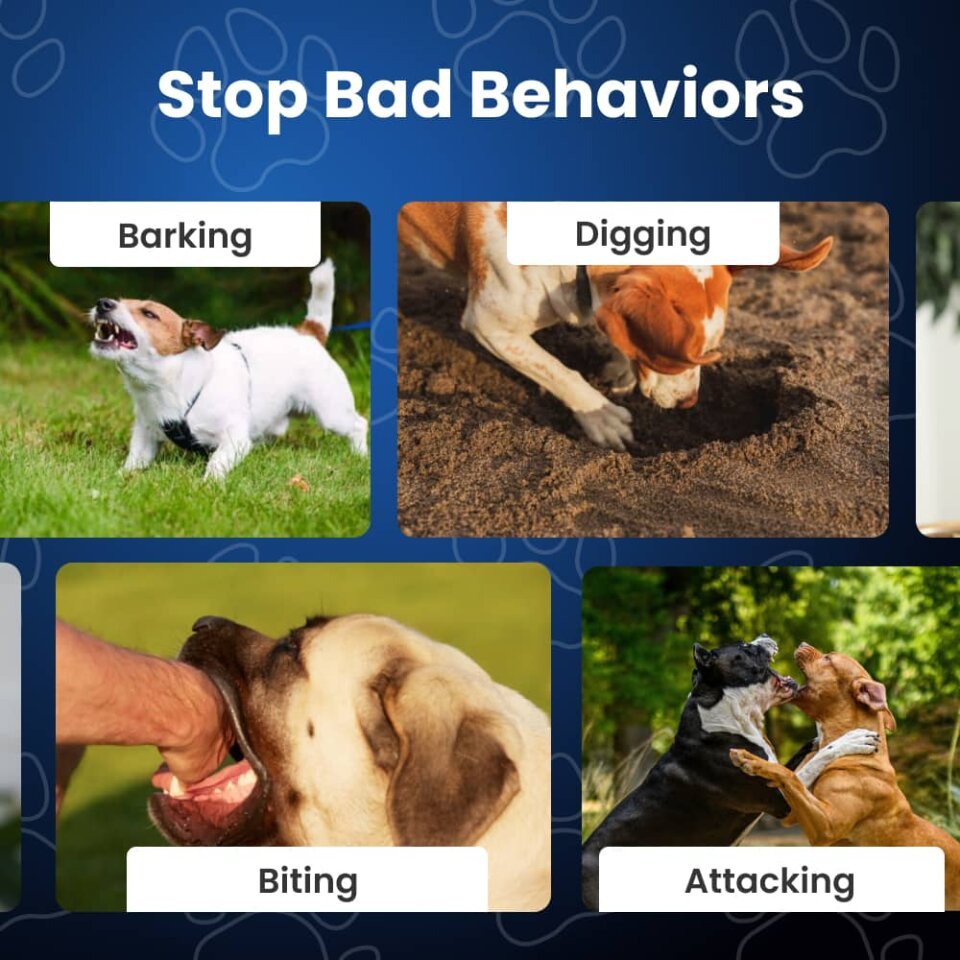
Owners rate it 4.8/5 across more than 1,900 reviews, and in our own testing it earned a 4.6/5. It won't replace a trainer for a dog that's anxious when left alone, and nothing should. But for the everyday alert, territorial and habit barking behind most neighbor complaints, it's the gentle, consistent tool we'd choose to get a quieter home, and a friendlier hallway, in weeks.
Neighbor complaints FAQ
What should I say when a neighbor complains about my dog barking?
Thank them for telling you, ask when the barking happens and for how long, and tell them what you plan to do. Avoid getting defensive: many owners genuinely don't know their dog barks while they're out. Offer a way to reach you, such as a phone number, so they can tell you directly instead of going to the landlord or the city.
Can a neighbor report my dog for barking?
Yes. Many US cities, counties and HOAs have noise or animal-nuisance rules that cover persistent barking, and many leases include quiet-enjoyment clauses. The details vary a lot by location. Often the first step after a complaint is a letter or warning, so acting quickly and showing you're working on it usually keeps things from escalating. Check your local code or HOA rules for specifics.
How do I know if my dog barks when I'm not home?
Record it. A pet camera, an old phone running a video or sound-recording app, or a simple audio recorder left running for a few days will show when your dog barks, for how long and what sets it off. That information is the key to fixing it.
Will a bark collar stop my dog barking while I'm at work?
For alert, territorial and habit barking, a smart collar that reacts only to your own dog's bark gives the same gentle cue every time, even when you're not there, which is why it works well for daytime barking. If the barking comes with pacing, drooling, scratching at doors or destruction, it may be separation distress, and you should talk to your veterinarian or a qualified trainer instead of using a collar.
How long will it take to fix the barking?
Many owners see a clear drop within one to two weeks of consistent changes, and habit barking can take three to four weeks (here's what to expect week by week). Tell your neighbor that timeline up front so they know improvement is coming.
What if the neighbor keeps complaining even after I fix it?
Keep your recordings: a log showing that barking is now rare and short is the best answer to an ongoing complaint. Stay polite, share the progress, and if things escalate, your landlord, HOA or a local mediation service can help both sides.
Still deciding whether a collar is right for your dog? Read are bark collars cruel? 7 myths vs. the facts, see how anti-bark collars work, visit the NooBark overview or read our complete NooBark review.